Join me for a ‘Women of the Arts & Crafts Movement’ Gallery Tour at The Wilson Museum & Gallery before it’s closure for refurbishment.
The Wilson holds one of the finest collections of Arts & Crafts furniture, pottery and artefacts in the country.
There has been an Arts & Crafts collection at this museum since the 1930’s and we have been acquiring items ever since, when funding allows.
The Wilson is privileged to house one of the most significant Arts & Crafts collections in the country and has played an important role in telling its story since 1930. At that time, the museums curator and librarian D. W Herdman recognised the significance and local connection to these designers and began collecting pieces. In 1940, he secured Ernest Gimson’s archive from his widow’s effects, which forms the core of the collection you see today.
In this tour we are going to explore the female contribution to the movement, offering a new perspective and highlighting the social changes of the time.
For the first time in history, women were able to contribute to arts and crafts in a meaningful way. In Victorian England, not only upper class women, but the middle classes were encouraged to receive formal education. Higher education was more readily available from the mid-19th century, and as you will hear, many of the women we will meet on this journey studied at some of the countries most prestigious art schools.
Join me for a ‘Women of the Arts & Crafts Movement’ Gallery Tour at The Wilson Museum & Gallery before it’s closure for refurbishment.
The Wilson holds one of the finest collections of Arts & Crafts furniture, pottery and artefacts in the country.
There has been an Arts & Crafts collection at this museum since the 1930’s and we have been acquiring items ever since, when funding allows.
The Wilson is privileged to house one of the most significant Arts & Crafts collections in the country and has played an important role in telling its story since 1930. At that time, the museums curator and librarian D. W Herdman recognised the significance and local connection to these designers and began collecting pieces. In 1940, he secured Ernest Gimson’s archive from his widow’s effects, which forms the core of the collection you see today.
In this tour we are going to explore the female contribution to the movement, offering a new perspective and highlighting the social changes of the time.
For the first time in history, women were able to contribute to arts and crafts in a meaningful way. In Victorian England, not only upper class women, but the middle classes were encouraged to receive formal education. Higher education was more readily available from the mid-19th century, and as you will hear, many of the women we will meet on this journey studied at some of the countries most prestigious art schools.
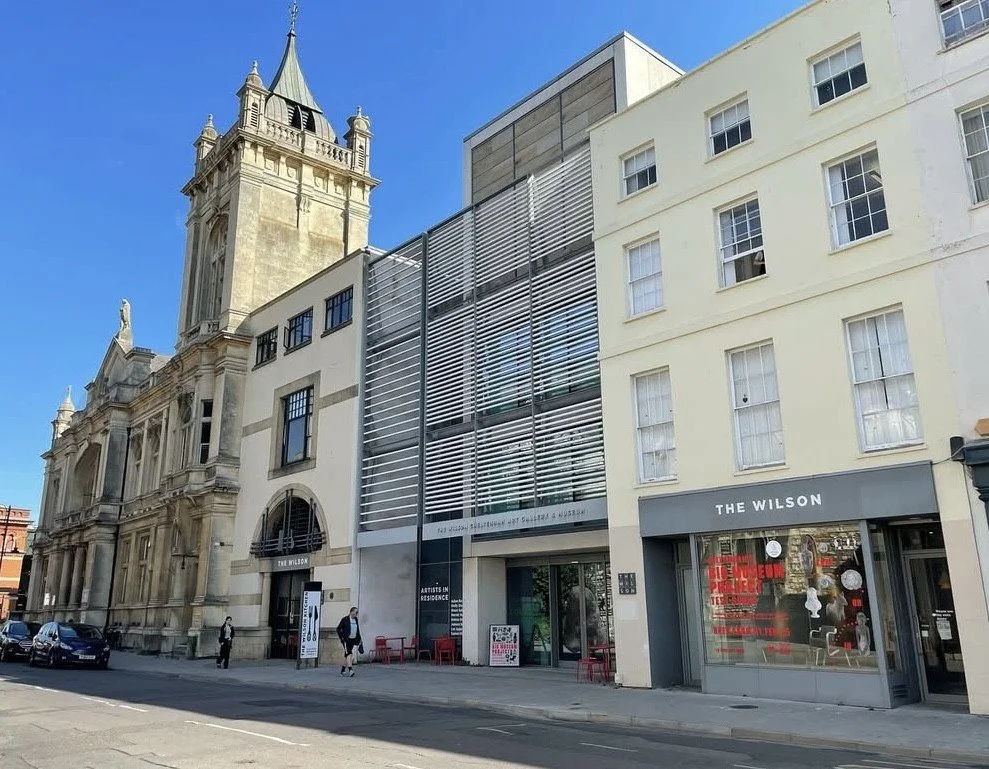 Image 1 of 8
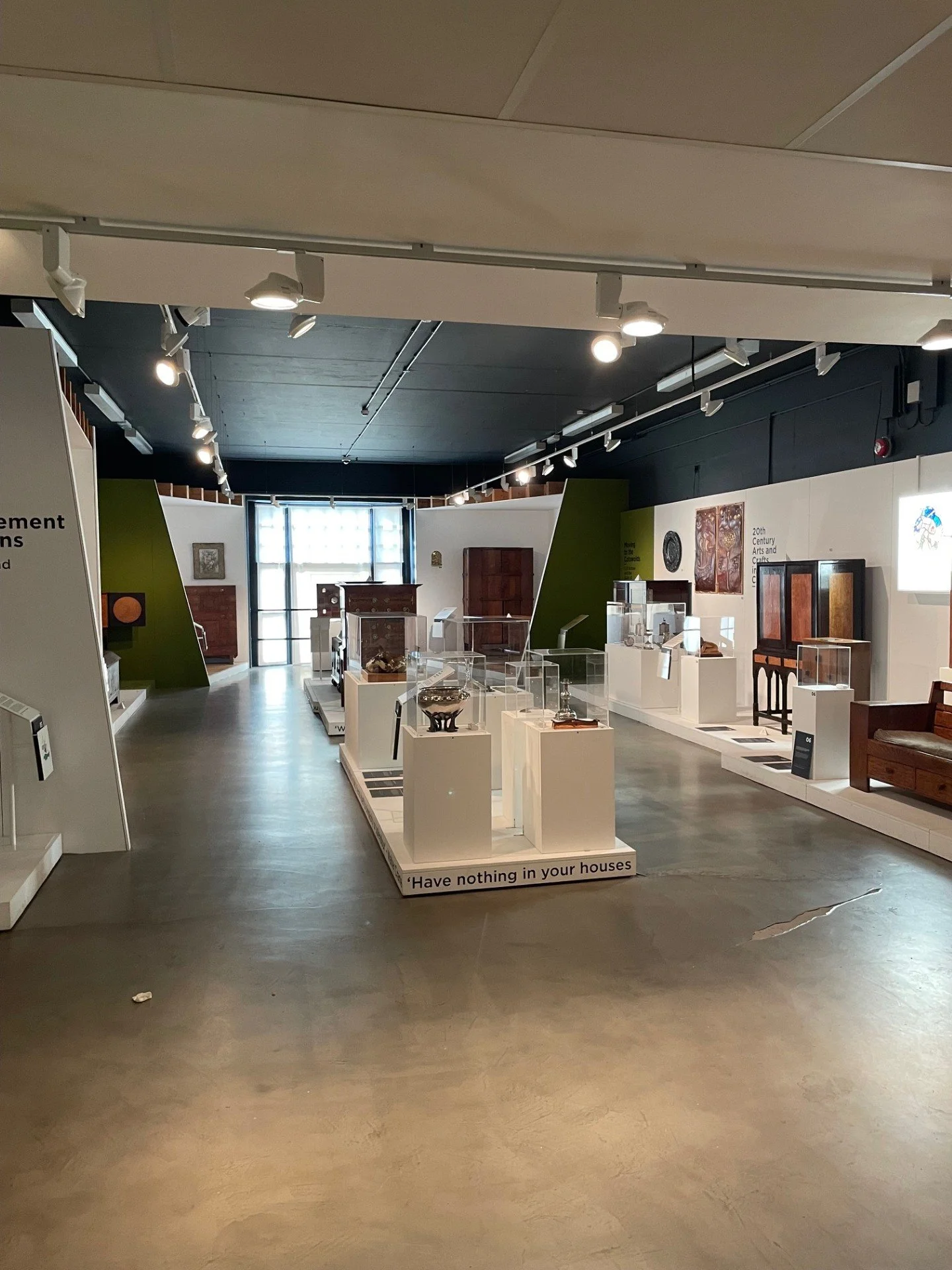 Image 2 of 8
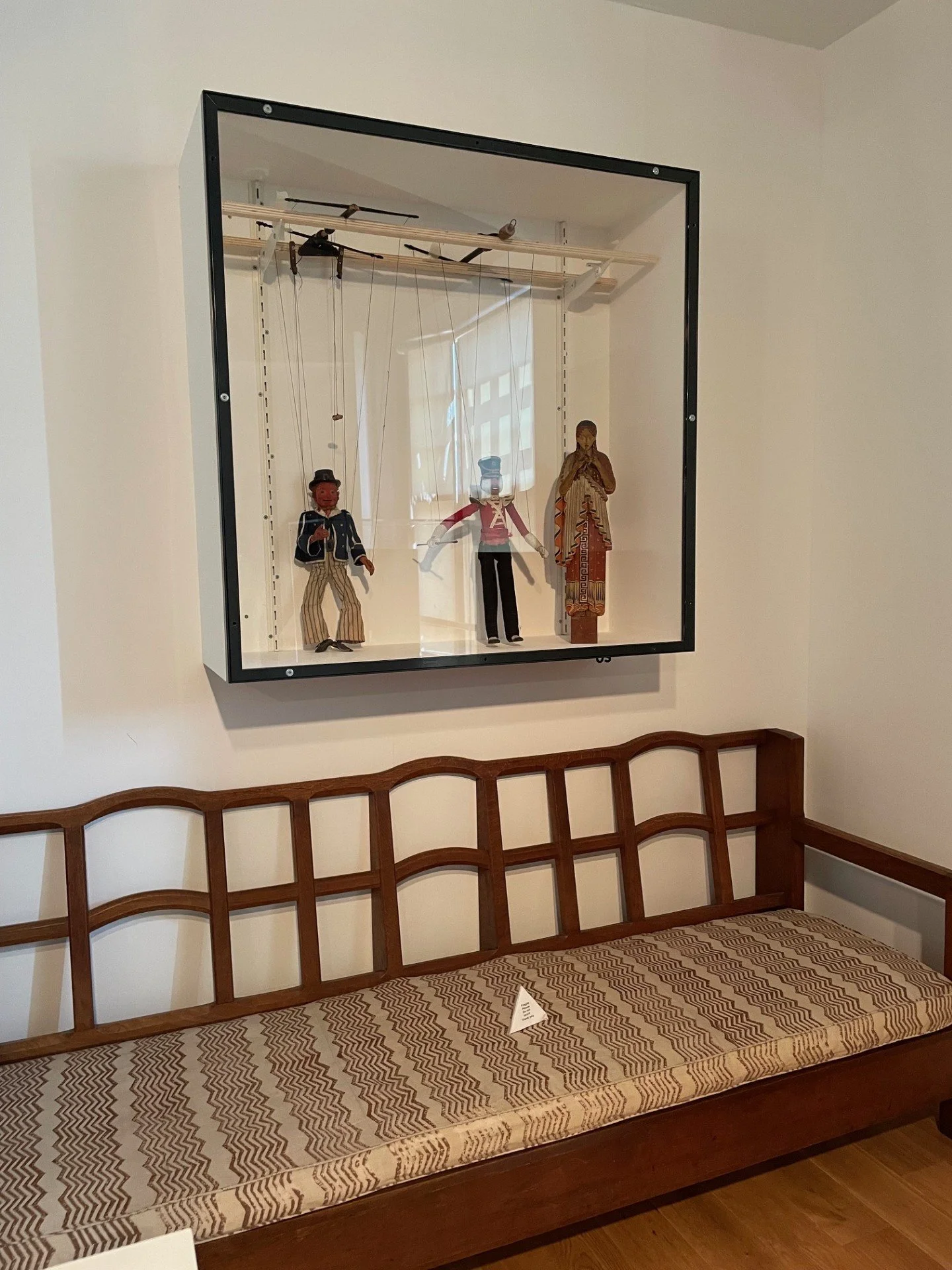 Image 3 of 8
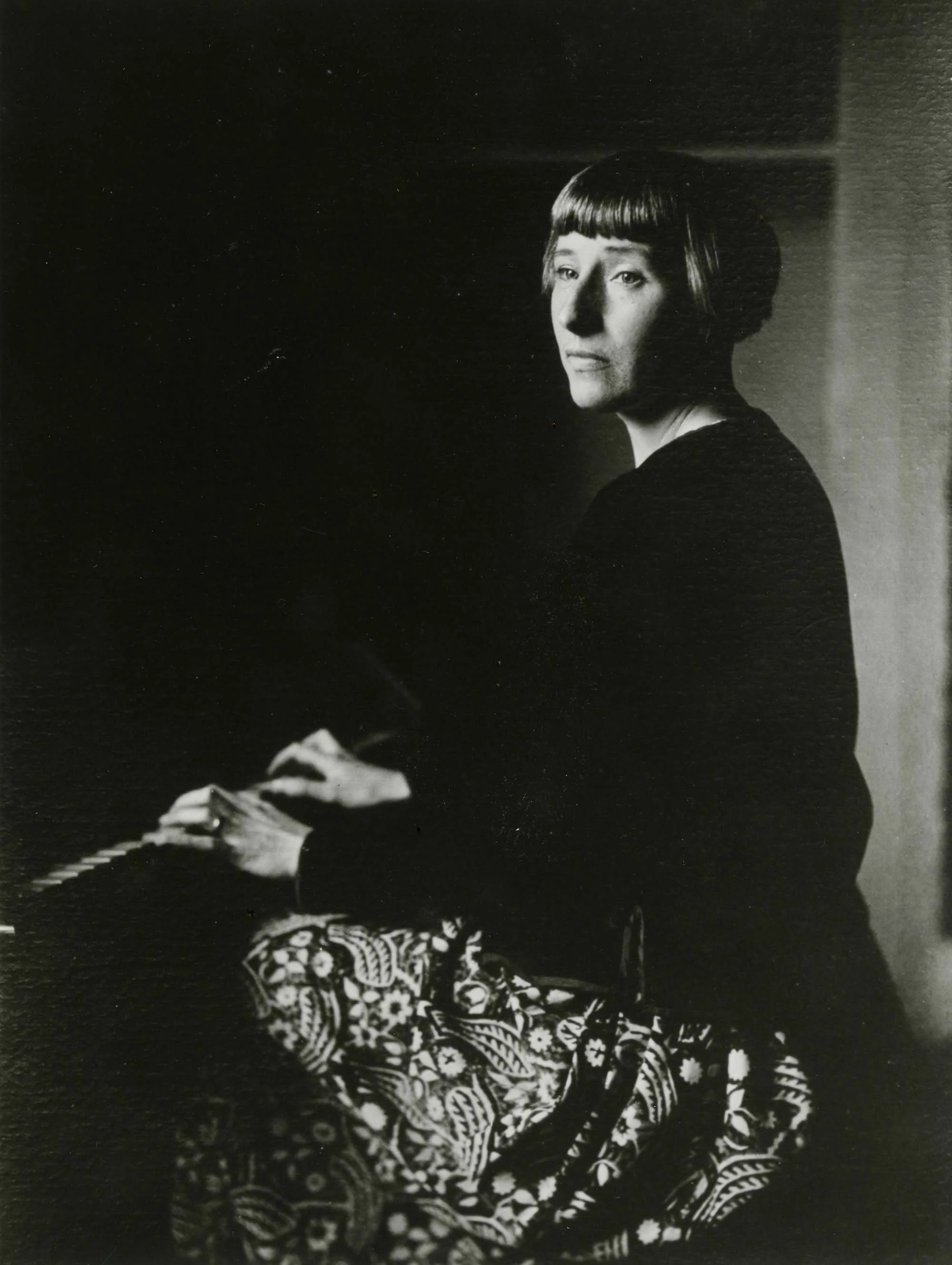 Image 4 of 8
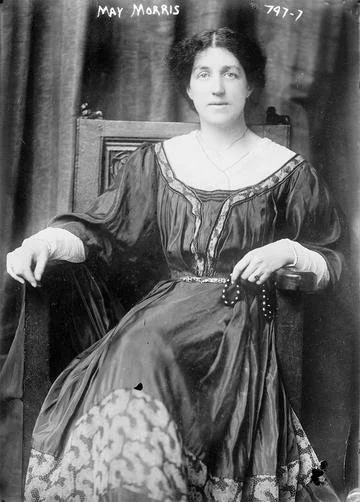 Image 5 of 8
 Image 6 of 8
 Image 7 of 8
 Image 8 of 8